 Continue with Facebook
 Continue with Google
 Continue with Apple
Versailles: From Promise to Power
Details
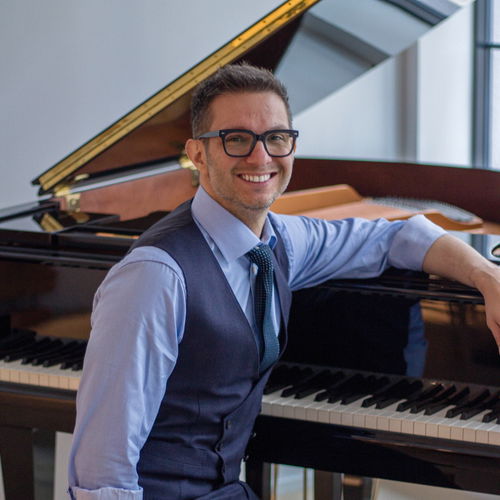
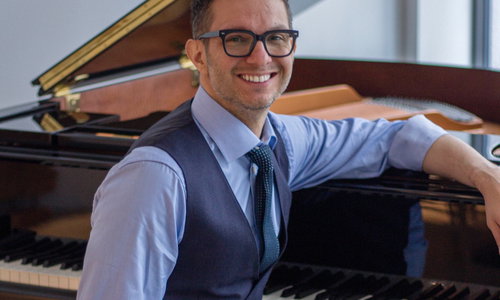
Jacob De Hoyos full profile / Piano / 1 musician
Full program notes
This program centers on the Dauphine, the wife of the heir to the French throne, and the music written for her world at Versailles. As a public figure, the Dauphine represented promise and continuity while living under constant ceremony and expectation.
The program features French Baroque keyboard music by Rameau, Couperin, Royer, Duphly, and Jacquet de La Guerre. These composers wrote character pieces and dances that were part of court life, reflecting elegance, formality, and social order.
Arranged together, the music traces the Dauphine’s progression from a figure of promise to one associated with authority and power at court.
For additional context and background on this program, see:
https://www.bakingwiththeclassics.com/post/versailles-from-promise-to-power-portrait-of-a-dauphine
Program includes music by:
Rameau · Royer · Couperin · Jacquet de La Guerre · Duphly
Historical context
In 18th-century France, Versailles was the center of court life, where music accompanied daily ritual, social gatherings, and formal occasions. Keyboard music played an important role in shaping the sound and atmosphere of the palace.
The court composers of Versailles, including Rameau, Couperin, Royer, Duphly, and Jacquet de La Guerre, wrote music that reflected the tastes and expectations of the court. Their works emphasized clarity, elegance, and expressive detail, and were closely connected to dance and ceremony.
The Dauphine, as the wife of the heir to the French throne, held a highly visible position within this environment. Music formed part of the cultural setting that surrounded her public role at court.
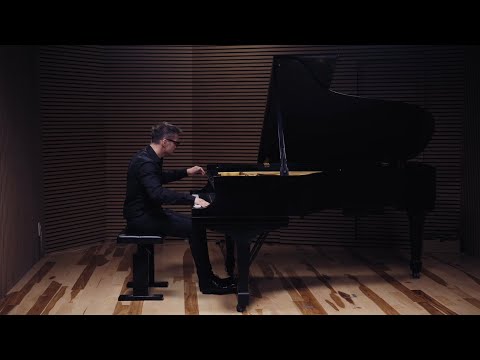
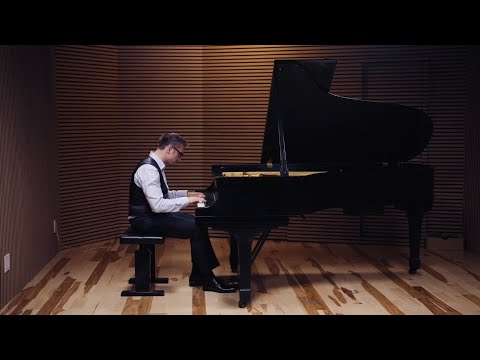
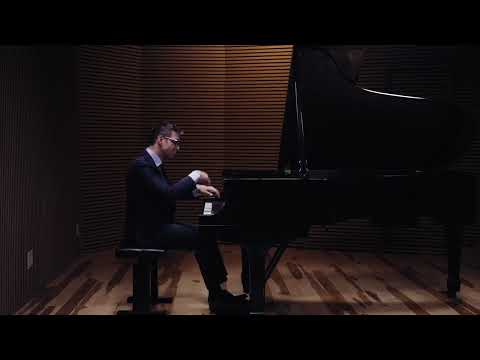
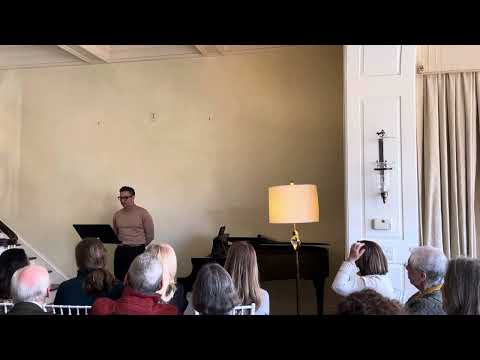
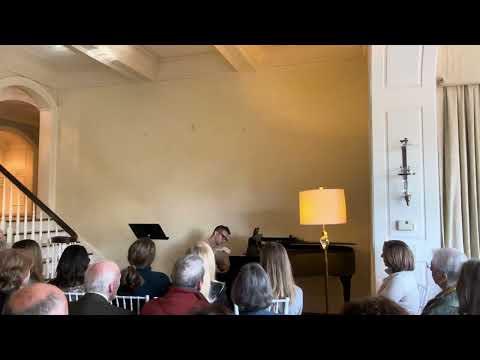
Videos from this player
Other programs from this ensemble
-
Afternoon Elegance: A High Tea Concert
- Musician profile: Jacob De Hoyos
-
 Instruments:
Piano
Instruments:
Piano